Grease Trap Cleaning Schedule for Restaurants: The 25% Rule Explained
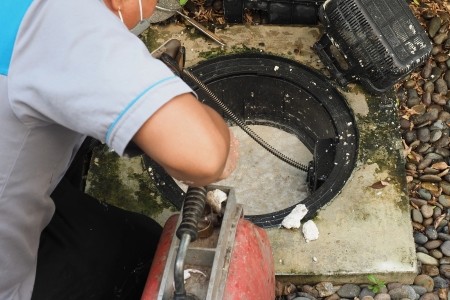
Running a busy kitchen in Jacksonville, NC means your grease trap works hard every day. A smart schedule keeps drains moving, odors down, and surprise inspections stress‑free. This guide breaks down the 25% rule in plain language so you can plan service confidently and keep your team focused on great food and guests.
When you stick to a predictable plan, you lower the chance of messy backups, slips, and downtime that can ripple through a dinner rush on Western Blvd or near Camp Lejeune. If you want help mapping out service for one location or several across Onslow County, our local commercial plumbing specialists can build a schedule around your menu, hours, and volume.
What the 25% Rule Means for Restaurants
The 25% rule says it is time to pump when the combined grease cap and settled solids reach one quarter of the trap’s liquid depth. In simple terms, once fats on top plus solids on the bottom equal about a quarter of the space inside, you schedule service. Your licensed technician documents those levels during service visits and recommends the next date before you hit that threshold.
The 25% rule is your go/no-go line because once grease and solids build past that point, the trap can no longer separate waste effectively. That is when clogs, odors, and overflows become more likely, which invites complaints and interruptions at the worst time.
How to Build a Grease Trap Cleaning Schedule That Works
Every kitchen is different, so your timeline should reflect real operations in Jacksonville, NC. Think about how these factors change the pace of buildup:
- Menu and cooking method: frying and sautéing create more FOG than baking or steaming.
- Service volume: covers per day and hours of operation, including weekend peaks.
- Trap size and type: small indoor traps fill faster than large outdoor interceptors.
- Staff practices: scraping plates, dry-wiping pans, and strainer use slow accumulation.
- Seasonality: summer visitors and base events can spike demand around New River and Piney Green.
Restaurants that handle frequent frying often land on monthly pump-outs, while lower‑grease concepts may stretch to 60–90 days. The right partner reviews logs, measures the layers, and suggests a safe interval before you approach 25%.
Clear Signs Your Grease Trap Is Full
Front-of-house and back-of-house teams usually notice the symptoms first. Treat these as red flags that your trap is nearing the 25% threshold or already past it:
- Slow drains or repeated gurgling in the dish area or mop sink
- Persistent odors near floor drains, especially after a busy shift
- Grease sheen in nearby cleanouts or wet spots around outdoor lids
- More frequent clogs that return soon after snaking
Never ignore sewage odors or slow drains. They are often the first sign that grease and solids have reduced capacity and that you are overdue for a pump-out.
Why Following the 25% Rule Prevents Health‑Code Headaches
Staying below 25% helps traps do their job, which keeps FOG out of public sewers and away from your own lines. That lowers the risk of service interruptions during lunch in Northwoods or dinner near Brynn Marr. It also shows a good-faith, documented effort to maintain your system, which inspectors appreciate during routine checks.
Documentation matters. Each service visit should include a dated manifest, measured levels, and disposal details. File copies where managers can grab them quickly. Always keep service records on-site so a surprise inspection does not slow you down.
Setting Your First Schedule in Jacksonville, NC
If you are opening a new location or taking over an existing kitchen, start with a conservative 30‑day plan, then adjust based on measured levels. After two or three visits, the trend usually becomes clear. If your team is seeing frequent slowdowns, ask about pairing pumping with professional drain cleaning on the same visit to restore full flow and cut the risk of mid‑shift surprises.
When you are ready to plan, you can learn more about our services, hours, and response times by visiting our home page. A quick way to start is reviewing a grease trap cleaning schedule in Jacksonville, NC and deciding whether monthly or quarterly makes more sense for your concept.
How Pros Confirm the 25% Threshold
Your contractor checks grease and solids during each visit and records those numbers on the work order. If the combined layers are approaching 25%, they will recommend sooner service to protect capacity. That routine measurement keeps you from guessing and turns the 25% rule into a simple, repeatable decision point for managers.
Do not attempt to open or clean a grease trap yourself. Traps contain wastewater and gases that require proper handling, protective gear, and disposal by trained professionals.
Local Factors Jacksonville Kitchens Should Watch
Our coastal climate and heavy rains can wash fine sand into lines, which sticks to grease and accelerates buildup. Outdoor interceptors near traffic or standing water also age faster. If your restaurant sits on a busy corridor like Lejeune Blvd or a high‑turnover area near the base, plan for tighter intervals during peak seasons. Quick-service concepts and wing or seafood menus in these spots typically benefit from shorter cycles.
Stay Inspection‑Ready With Simple Records
Build a one‑page log for each site that lists pump dates, measured layers, and any line cleaning completed. That log, plus your manifests, helps managers answer questions during routine visits. For a broader maintenance plan that covers restrooms, shutoff testing, and common drain trouble spots, skim our commercial plumbing preventive maintenance checklist and tailor it to your location.
What To Do If You’re Already Seeing Problems
If slow drains and odors are popping up during the dinner rush, resist quick chemical fixes. They rarely solve grease problems and can harm pipes. Call a local pro to verify trap levels, check nearby cleanouts, and restore flow. In many cases, pairing a pump-out with targeted line cleaning is the fastest way to get back on track without repeated callbacks.
Put the 25% Rule To Work for Your Team
The goal is simple: steady kitchen flow, no surprises, and clean records. The 25% rule makes that possible. Start with a safe interval, verify with measured levels, and tune the plan to your volume and menu. If you manage multiple sites across Jacksonville and Onslow County, align schedules by location so managers are not juggling last‑minute calls.
Ready To Set Your Grease Trap Schedule?
Keep your kitchen moving and your guests happy with a plan that fits your operation. Our Jacksonville team at Integrity Plumbing & Utilities is ready to help you apply the 25% rule, document service, and prevent disruptive backups. To get started with tailored support for restaurants and food service, connect with our commercial plumbing team or call 910-939-9767 today.
If you need deeper support across fixtures, restrooms, or kitchen drains, we can coordinate service windows around your busiest hours. From Brynn Marr to Piney Green, we help kitchens stay compliant, comfortable, and open for business.
Serving Jacksonville & Surrounding Areas For All Your Plumbing Needs